Sandro Botticelli: The Quiet Patron of Beauty
There are artists you study, and artists who stay with you.
Sandro Botticelli belongs to the second kind.
For me, Botticelli is not only a master of the Italian Renaissance — he is a reminder. A reminder that beauty can be gentle, that elegance does not need to be loud, and that things done with care have the power to make the world feel lighter.
In a time that often celebrates excess, Botticelli whispers.
⸻
Who Was Sandro Botticelli (A Few Technical Notes)
Sandro Botticelli was born in Florence in 1445, under the name Alessandro di Mariano di Vanni Filipepi. He worked during one of the most extraordinary periods of Italian history, supported by the Medici family, at the heart of the Florentine Renaissance.
His work was deeply influenced by Neoplatonism, a philosophy that saw beauty as a bridge between the physical and the spiritual. For Botticelli, art was never just representation — it was elevation.
This is why his paintings feel suspended in time, as if they belong more to memory than to reality.
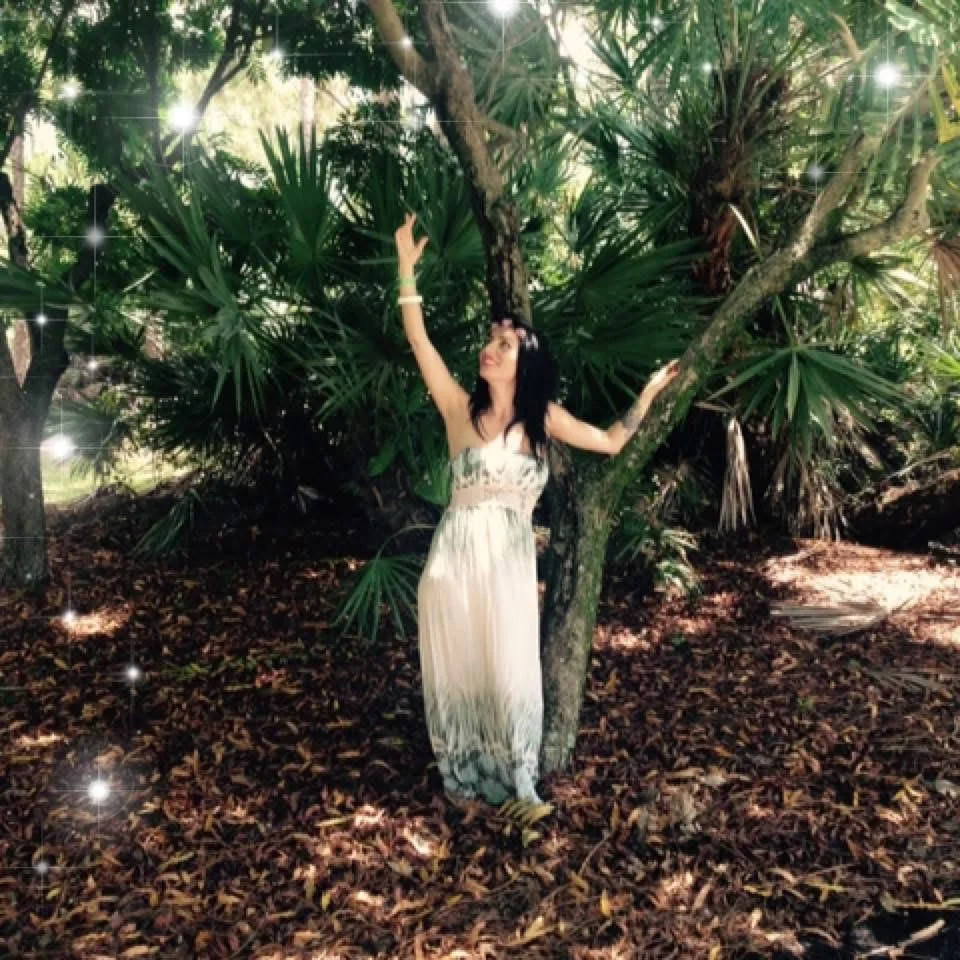
Botticelli in me
⸻
The Language of His Art
Technically, Botticelli is known for:
• flowing, continuous lines
• ethereal, almost weightless figures
• soft, harmonious colors
• faces filled with quiet melancholy
But beyond technique, his true strength lies elsewhere.
His women are not perfect in a modern sense. They are delicate, thoughtful, sometimes fragile. They do not demand attention — they invite contemplation. His beauty does not shout; it lingers.
⸻
The Great Beauty
Botticelli represents La Grande Bellezza — the kind of beauty that does not stay in your eyes, but slides gently into your heart, and remains there forever.
I remember the first time I stood in Florence, in front of his work. I stood there for minutes, completely still. I could almost smell the flowers, feel the movement of the figures, as if I were part of that silent dance. It was not just something I was looking at — it was something I was inside of.
That is the power of true beauty.
⸻
Botticelli, Beauty, and the Art of Doing Things Well
For me, Botticelli is the quiet patron of Made in Italy — not as a label, but as a philosophy.
He represents:
• craftsmanship
• balance
• intention
• grace
His art is about things done well, with patience and respect. About beauty that comes from harmony, not from excess. About elegance that is calm, measured, timeless.
In my daily life, his sense of beauty guides me more than I realize:
• in the colors I choose
• in the way I dress
• in how I arrange a table
• in the way I try to live
I often ask myself: Is this choice closer to chaos, or closer to Botticelli?
And almost always, I choose Botticelli.
⸻
A Personal Reflection
When I see ugliness — in places, in words, in rushed choices — I sometimes think:
Well… Botticelli exists.
And suddenly, the world feels better again.
His art reminds me that beauty is not superficial. It is an act of care. It is a form of resistance. It is something that makes life worth living more attentively.
For me, Botticelli makes the world a better place — quietly, gracefully, without asking for anything in return.
⸻
Where to Experience Botticelli
For those who wish to encounter him in person:
• The Uffizi Gallery, Florence
• The National Gallery, London
• The Vatican Museums, Rome
• The Gemäldegalerie, Berlin
Seeing Botticelli live is different. His lines breathe. His colors soften. His beauty becomes human.
⸻
Closing Dedication
This article is for you, Sandro.
An homage to a great artist who, every time, gives me an experience that touches the soul.
Thank you for your beauty, your grace, and your quiet power.
Grazie.